
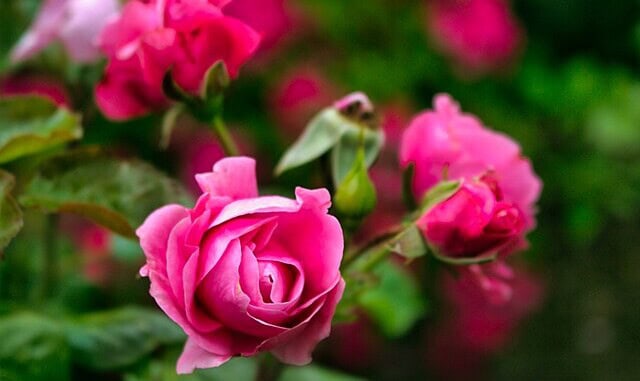
In March the weather is beginning to warm up, and for that reason it is a very busy time in the garden. You can do a lot of things at this time. I also want to point out that this year, March has been unusually warm. Therefore, there are a lot of things that normally we do in March that you will not be able to achieve with great success. So let’s go over the things that you can do.
Trimming – Although roses like to be trimmed between December and February, March is not too late. Most roses you will cut back by about ⅓ to ½ of its size. Cutting roses is beneficial in a lot of ways, but most importantly it makes them more attractive and stronger. So, get those shears and start cutting.
Fruit trees could also be cut at this time. You want to prune citrus trees after you harvest them. If they haven’t given fruit yet this year, it is a great time to prune them all the way to the month of April. Trees like apples, peaches, and nectarines that are deciduous trees (trees that lose leaves over winter) should be trimmed between January and February before the new buds and new leaves start forming. If they haven’t formed a bud yet, you can still cut them now. Although I can bet that with this heat, the trees are full of buds. March is a great time to prune avocados as well. Just avoid pruning things during heatwaves, since it is easy to burn plants.
Veggie Garden – March is also your last chance to plant cool weather crops such as lettuce, arugula, cilantro, spinach, carrots, beets, kohlrabi, artichoke, and radishes. I would also note that due to this year’s heatwaves, winter crops may not be as successful. So this March, I am holding off on planting more winter crops.
However, you can start planning for your summer veggie garden as well. The warm weather allows for tomatoes, bell peppers, cucumbers, watermelons, squashes, zucchinis, corn, okra, eggplants, artichokes, and potatoes to be planted. When planting veggies, I often like using seedlings that I get at a nursery. It is much faster, plus often our garden space is limited, so one tomato plant may be the only thing that we can fit. However, plants like squash, zucchini, corn, okra, watermelon, and cucumber could be planted from seed in late March. You will probably have leftover seeds but can use them next year. But bell pepper, artichoke, and tomato I prefer to plant from seedlings at this time. I usually seed tomatoes and bell peppers in my house from seeds around January, so when March comes around they are already big enough to plant. It’s a little bit late now, so for anyone who wants to seed their tomatoes or bell peppers, I’m sorry but you will have to wait until next season. I normally plant summer crops between the end of March and beginning of April for best results. If you want to start only planting warm weather crops, then now you can lay down some compost and clear out the beds.
Planting – Overall, you can plant many things at this time of year. Citrus and avocado trees are great to plant right now, since they will have spring and summer to establish before they slow down growing when there are cooler temperatures. This is also a great time to plant herbs like rosemary, sage, basil, parsley, chives, green onions, oregano, and thyme. You are good to plant most plants and trees right now. I usually stop planting somewhere in May, and I completely avoid planting in summer and wait till October for planting again. If you want to plant something right now, this is the time. Obviously avoid planting during heatwaves unless you are planting in a shady area.
Fertilizer – You could fertilize the garden as well. I like to use all purpose fertilizer, worm castings, compost, fish emulsion, and kelp. The easiest is to get all purpose fertilizer. I will go into more detail about each fertilizer in a future article. Heavy rains wash already present nutrients, especially nitrogen, so get some fertilizer with nitrogen and add it to your soil. You can easily see what fertilizer contains on the package.
Mulch – This is also a good time to mulch your garden. This will help with weeds and cool down the soil. Mulch such as woodchips are great in regulating the temperature of the soil. If you want to find out about mulch, I have an article coming up about that as well. Also, be sure to stay on top of weeds. You do not want them to go to seed. Even if you just cut off the flowers of blooming weeds, that makes a huge difference. After weeding, lay down a layer of mulch to keep weeds away. If you have a ton of weeds that you are having a problem with, lay down cardboard or newspaper and then follow with wood chips. That should drastically help with weeds.
Aphids – Watch for aphids. They are bugs that live in newly developed leaves, and one good example of this are roses. Bright green leaves with flower pods usually get attached by aphids. At this early stage, just a frequent jet of water is often enough. I also like to have a spray bottle with some soap (liquid hand soap will do) and a few drops of cooking oil. The oil works as a glue, while the soap kills the aphids.
Watering – Check your irrigation. You want the system to be working before it gets warm. I turn on each water area of my garden and walk around looking for any leaks and lack of pressure. I try to do that at least twice a year, especially before summer heat. Critters can bite through drip systems and even plastic sprinkler heads (which has happened at a local school!), as well as smell water in pipes, and will go to great lengths to get to it. Valves can break as well, so it’s best to use metal valves so that they’ll last longer. Plus, the water controller can stop working, if yours is a smart controller that is connected to your phone, so make sure that it is connected to the internet. Power outages can make them disconnect, which has happened to me, so take the time to check all of those. You do not want to lose plants because the watering system is not working.
After the last rain, you may want to also start using rain water in the rain barrels. Once the soil dries out from the last rain, that water could be used to water the pots, for example. Or maybe deep water your trees, as I wrote in a previous article.
Let’s Review It To summarize, March is a great time to plant, fertilize, trim, and mulch. Additionally you want to check your watering system and make sure there are no aphids in your plants. A lot of things are blooming right now and the birds and animals are starting to mate. This season is always one of my favorites because so much is alive in the garden, especially after the rainy season we had this year. So go out there, plant, fertilize, enjoy nature and just garden.
Happy Gardening!
Joanna Kotwis
