
Summer is approaching and the temperatures are rising. That means that what you were doing in Spring in the garden will be different from what you can do in Summer. Let’s see what you should do and shouldn’t do in a garden in this approaching heat.
I will start with what you shouldn’t do because that is a bit more important. Summer is a time when plants like to survive the heat in California. They are not focusing on growing. They will bloom and produce fruit, but they will not grow larger, at least not significantly. This goes for most plants. For that reason I suggest holding off any planting as planting right now will put plants through unnecessary stress. The best time to plant in California is in October. The plants planted now can get sick easier and it may slow down their growth. So put away that shovel and digging till October. However, if you get some free plants that otherwise would be tossed, please plant those. And make sure to get some shade over them if necessary.
Since plants are not interested in growing, fertilizer should be held off as well. Fertilizer helps with growth, so adding it in summer will harm the plant. New leaves that fertilizer helps in creating, can easily burn in summer heat. You can still add to soil compost or worm casting that help in adding nutrients and for plants to be strong. Both are organic ways to help your garden without burning the roots and creating massive growth on the plants. Watering with fish emulsion fertilizer is also helpful, especially vegetables. But any other fertilizer should be avoided during summer months.
This is not the time to trim the trees or for that matter any large bushes. Trimming in summer exposes the tree to the sun. New cuts can easily get infected in summer heat. Plus the new cuts invite insects. Bark can also get sun burn. Trimming pushes the tree to grow new leaves and branches and those can easily burn during heat waves. Plus the tree will be weaker and susceptible to frost during winter. Gentle trimming of a few branches is okay, an example would be removing suckers from citrus trees.
If you have to use any spray like neem oil because you have aphids for example, use the spray in the evening or very early morning. But if I have to pick between the two times, I would spray it in the evening. You do not want the oils or any sprays to burn the plant in the sun.
In conclusion, in the summer you will hold off on planting, heavy fertilizing, and trimming trees. So what can you do in summer besides enjoying a lemonade in the shade?
Summer heat takes away a lot of moisture from the garden. You want to capture and add water as much as possible. First start with checking if your watering system is functioning. Turn on the sections and walk around to see if everything is working. I do this few times a year but especially before summer vacation.
You also want to add more mulch, which will help in keeping the moisture in. I noticed a significant cut in watering usage once I started to use mulch. Plus the new layer of woodchips looks very attractive in a garden.
In summer, trees appreciate extra attention from us, especially when it comes to water. Deep watering is very beneficial to trees. You may ask, what is deep watering? Deep watering is letting a plant receive the water slowly for a long period of time, so it has time to absorb it. I have few ways of deep watering my trees. For one, I use my rain barrels during rain. I attach the hose to the rain barrel and let the water come out near the trees. Trees get a big soak and I remove the water from near my house. Later I turn off the hose and let the barrel fill in with a light rain. I have done this with my young avocado tree and this season the tree is full of fruit. I also use a bucket that has a small hole and put it next to the trees. It takes a long time for the tree to get the water so it absorbs better than me just pouring the bucket of water on the soil. Plus I could add some fish emulsion to the bucket.
Watering in summer should be done less frequently but for a long period of time. So if you have standard sprinklers you set them 2-3 times a week for 5-7 min. If you have a drip system your setting should be 2-3 times a week for 15-20 min. This obviously may be different depending on your soil and plant needs. But the overall idea is to water less frequently but deeply. So plants get a really nice soak instead of shallow watering every day.
You can still weed and remove things you do not want in a garden. Although if something is big and gives shade to plants I would remove that in fall. Eliminating any shade that plants had for a while will cause them to have burned leaves.
Pick your fruit and veggie often. Plants are working overtime. Removing what they produce will give them a break. It breaks my heart to see a tree full of fruit. They need a break just like we do. So go into the garden and see if the cucumbers or tomatoes are ready to be picked. Side note, cucumbers should not be picked in the heat of the day. They retain water during that time and will taste bitter. If tomatoes are being eaten, pick them when they are orange or yellow. They will ripen on a window sill in no time.
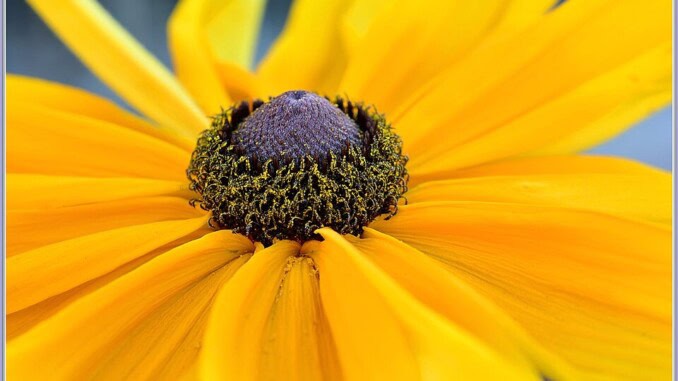
In a similar manner removing flowers that finish blooming helps the plant. This process is called dead heading. You remove the finished blooms so the plant can focus on new blooms and not waste energy on something that is dying.
To summarize in summer you deep water, mulch, weed, dead head, and pick your harvest frequently. This time of year is difficult for plants. They need to survive the heat and it is very beneficial if we help them in a way that is helpful. So wait with planting and fertilizer. Do not take those shears to trim any trees. Give an extra splash of water to your plants and enjoy the summer in your garden.
Happy Gardening!
Joanna Kotwis
