
Why do we bother with veggie gardens? Can’t I simply plant directly into the soil and call it a day? Or perhaps you may want to learn about different types of veggie gardens, which one is right for you and why? Let’s go through some options.
Growing up in Poland, my family had plenty of land therefore plenty of crops. All was grown directly in the soil, no veggie beds. It worked very well and we had storage available in our basement, stocking up vegetables. So if a few rows did not work out, not a big deal, because we planted so much. Here in my urban garden, I use veggie gardens. What are my reasons?
I prefer veggie gardens because I know exactly what soil is used. Before my veggie garden, the backyard was simply a large slab of concrete. Once removed, my dad built a keyhole garden, which I chose because it is different and intriguing. The way it works is a circular planter is built with a 6 feet diameter. Mine is made of brick, but anything will work. The center of the circular planter is left open for the compost from kitchen scraps. When beginning, cardboard is placed underneath and layered, with manure, wood, all the while being soaked with water. Finished compost and top soil on top. The soil is placed in a mound, similar to a volcano, with a kitchen bin in the middle. Watering is through the center where it was left open and where compost is deposited. When the compost is watered, the nutrients from the compost slowly spread out to the perimeter of the veggie garden. Cool, right!
A second option is a Hugulcultue garden. This system uses logs of wood that are covered with soil. The moisture of the decomposing wood keeps the plants wet and gives them a regular water source. In reality here in Culver City it is a bit dry for this system and it may work much better with an additional drip system. However, the system is very good and I had some great results with it. Plus the idea of using logs as a water source is beneficial for other vegetable garden styles as well.
As a landscaper, I have worked with mostly square or rectangular shaped wood veggie gardens. This is a simple and quick set up since all that’s needed are four pieces of wood connected at the joints. Inside you can add soils but personally, I would put logs, manure, and compost, before laying the soil. Add a drip system at the surface and no need to worry about watering by hand. Many people have this type of veggie garden because they are easy to build and look attractive.
Besides using wood panels to build a veggie bed, you could also invest in nice metal containers. It’ll work the same as wood panels where you simply fill them in with soil but I would also recommend placing logs, manure, compost and then top it with a layer of soil. With a metal container, it’ll last much longer than wood but it comes with a price. Metal will certainly cost much more.
Square foot gardening is another popular option. It is often done within a wood garden bed. Each plant receives one foot of space for growing. So a 3’x3′ bed would have 9 plants. The important part here is soil. You mix ⅓ blended compost, ⅓ coarse vermiculite (mineral), ⅓ peat moss. Blended compost is a mix of things like mushroom compost, worm castings, and composted manure. The more diversity in types of compost the better. You maintain the beds by adding blended compost every year for more nutrients.
Side note, a lot of gardeners do not like using peat moss because of environmental concerns. The good substitute would be coconut coir.
What are the benefits of having a veggie garden? For one you know what is in the soil and you can create a beautiful mix of different vegetable plants. You do not need to have a lot of space for a nice variety of vegetables. With all the nutrients in your bed, things will grow well and fast. You can elevate the beds to avoid bending. Plus it looks attractive to have garden beds, it adds to the aesthetics to your garden.
What kind of maintenance is needed? Soil in garden beds settles over time, therefore each time you plant, add a new layer of compost to help raise the bed. Doing so will add more nutrients to the bed and during regular maintenance, be on the look out for weeds. If space is limited, planning is important. Be sure to plant what you eat, meaning there’s no need for 4 zucchini plants. Unless you just love zucchini. During the spring gardening season, I usually have 5 tomatoes, 3 bell peppers, 4 cucumbers, 2 zucchini, 2 watermelons. This is enough for my family spread over 2 keyhole gardens.
Before deciding on which veggie garden you would like, read more about it. Join a Facebook garden group to ask how people like their veggie beds. To create my keyhole garden I got a book describing how it’s built. If you want to do a little more homework, invest in something that works for you and you can discover things such as using logs for moisture.
Problems you may experience with veggie beds? Our urban gardens are small. We have them among wildlife and they can easily come to your veggie beds for a feast. They can quickly destroy a garden overnight. The biggest trouble would be squirrels, raccoons, rats, and birds. Raccoons and squirrels like to dig in beds. Rats like to eat the crop. Birds love the seeds. I am not sharing this to discourage you but do keep this in mind. There are ways to keep them away or minimize the damage which I will go into details in future articles. Sometimes, you may have a bad year, I sure did this past fall. Neighborhood raccoons paid a visit and were digging for grubs. What I do is use hot pepper to keep the critters away. I hope that my Spring garden season will be more successful.
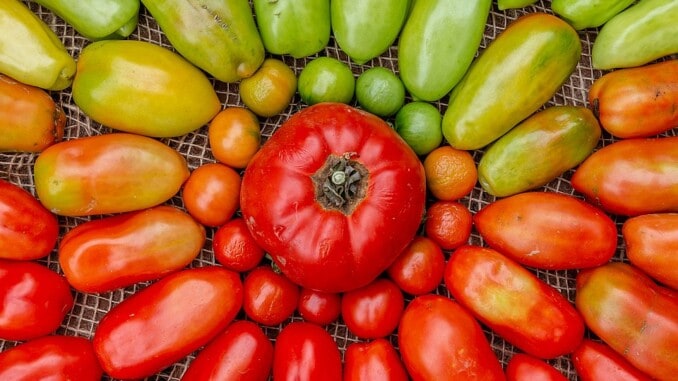
Where should you start? How about planting a tomato in a big pot. See how you enjoy taking care of the plant. If that sparks your interest in growing veggies, then you have to decide what type of veggie bed suits you. There are really no bad choices. They are different, but all have their own benefits and many can be combined as well.
So go out there, get your tomato plant and see where it leads you!
Happy Gardening!
Joanna Kotwis
Photo credit – Michal Klajban, Wikimedia Commons
